Mesenchymal Stem Cell Therapy is a type of regenerative medicine that uses mesenchymal stem cells (MSCs) to repair or regenerate damaged tissues and organs. MSCs are a type of adult stem cell found in various tissues, including bone marrow, adipose (fat) tissue, and umbilical cord tissue. They have the ability to differentiate into various types of cells, such as bone, cartilage, and muscle cells, and also possess anti-inflammatory and immune-modulating properties.
What mesenchymal stem cell therapy involves:
1. Cell Sourcing: MSCs can be harvested from the patient’s own body or from a donor. Common sources include bone marrow, adipose tissue, and umbilical cord tissue.
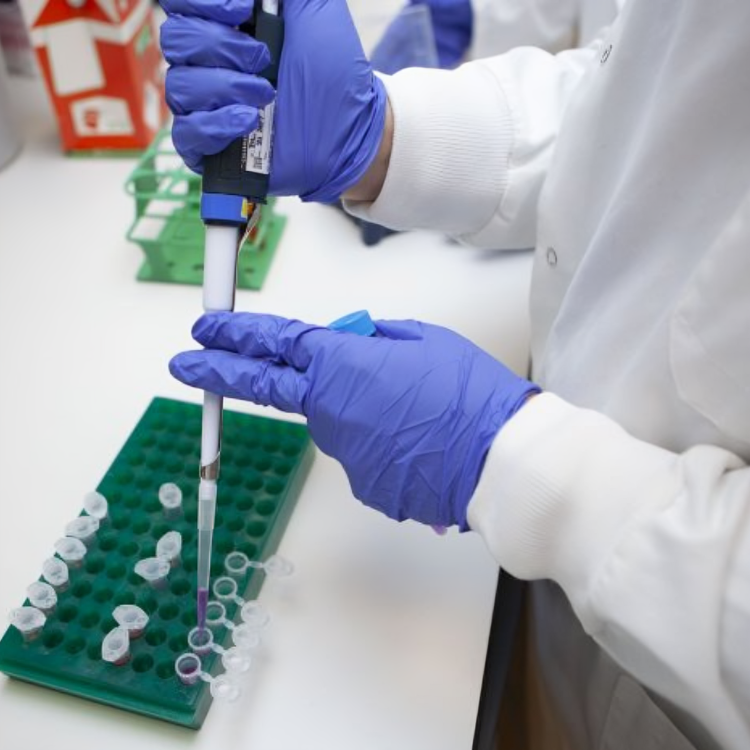
2. Processing: The harvested cells are processed in a laboratory to isolate and concentrate the MSCs.
3. Administration: The processed MSCs are then administered to the patient through various methods, such as injections into specific areas (e.g., joints or tissues) or intravenous infusion.
4. Mechanism: MSCs can aid in tissue repair through their ability to differentiate into various cell types, release growth factors that promote healing, and modulate the immune response to reduce inflammation.
5. Applications: Mesenchymal stem cell therapy is being investigated for a range of conditions, including osteoarthritis, spinal cord injuries, cardiovascular diseases, and autoimmune disorders. Its effectiveness and safety are the subject of ongoing research and clinical trials.
6. Tissue Regeneration and Repair: MSCs have the ability to differentiate into various cell types, such as bone, cartilage, and muscle cells, aiding in the regeneration of damaged tissues and organs.
7. Anti-Inflammatory Effects: MSCs can modulate the immune system and reduce inflammation, which is beneficial for treating inflammatory conditions like osteoarthritis and autoimmune diseases.